
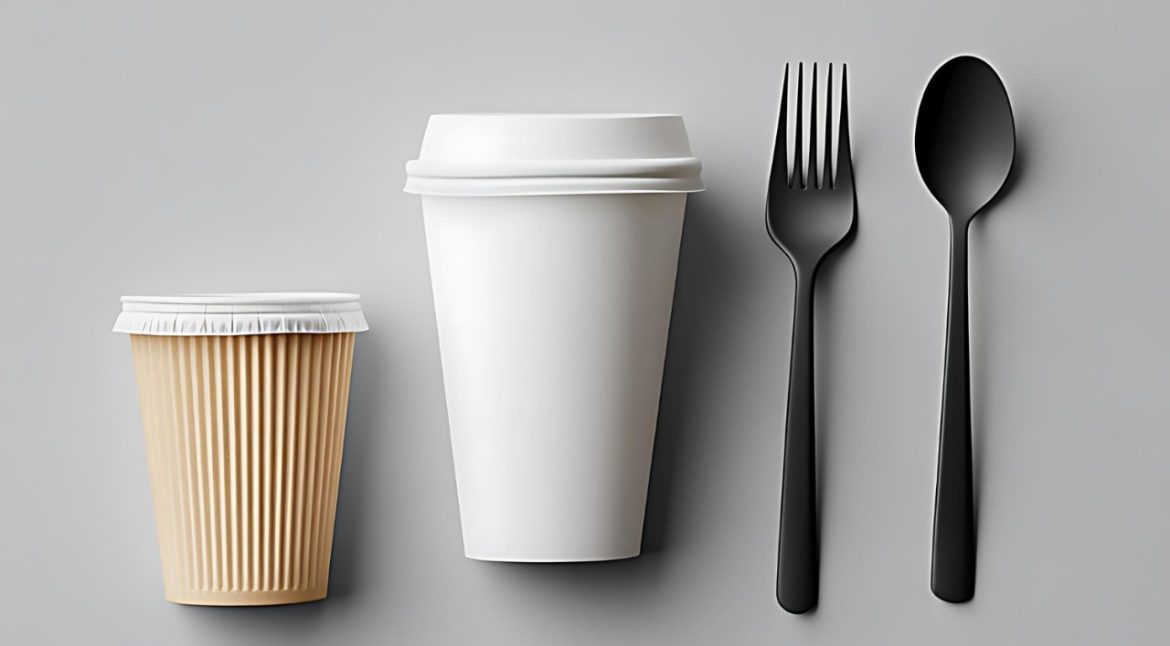
In today’s fast-paced world, convenience, hygiene, and efficiency have become top priorities for individuals, families, and businesses. Among the many innovations that support this lifestyle, disposable products have emerged as essential tools that simplify our daily routines. From disposable plates and cups to tissues, razors, medical supplies, and food-packaging materials, disposables are now deeply integrated into modern life.
While some people assume disposable items are merely “quick-use” products, their importance goes far beyond convenience. They offer hygienic benefits, save time, support businesses, and even promote sustainability when used wisely. This article explores why disposable products are essential in today’s lifestyle, along with the advantages that make them a preferred choice for millions worldwide.
1. Convenience That Fits a Fast Lifestyle
One of the biggest reasons disposable products have become so popular is the convenience they offer. Modern life is busy—people are balancing work, family responsibilities, education, travel, and social activities. In such a dynamic environment, products that reduce effort are extremely valuable.
No Cleaning, No Maintenance
Disposable items eliminate the need for washing, cleaning, or storing. For example:
-
Disposable plates and cups make hosting events easier.
-
Wet wipes and tissues offer quick cleaning solutions.
-
Disposable razors simplify grooming without needing maintenance.
This saves time for people who want quick solutions without additional effort.
Perfect for On-the-Go Use
Travelers, office workers, students, and professionals frequently rely on disposable items like:
-
Paper cups
-
Napkins
-
Disposable cutlery
-
Travel-friendly hygiene products
These lightweight, easy-to-carry disposables support the mobile lifestyle of millions.
2. Hygiene and Safety: A Top Priority
Especially after the global pandemic, hygiene has become more important than ever. Disposable products play a crucial role in maintaining cleanliness and preventing cross-contamination.
Single-Use Means Reduced Germ Transmission
Unlike reusable items that require thorough cleaning, disposables minimize the risk of:
-
Bacteria buildup
-
Virus spread
-
Allergens
-
Food contamination
This is why disposable gloves, masks, medical syringes, and packaging materials are essential in healthcare and food industries.
Food Hygiene
Food-grade disposable items ensure that food is served safely without the risk of contamination from previously used utensils. This is particularly important in:
-
Restaurants
-
Street-food stalls
-
Catering events
-
Office pantries
-
Takeaway services
Disposable items offer a clean, untouched solution every time.
3. Supporting Modern Businesses and Services
Disposable products are not just helpful for individuals; they are crucial for businesses across many industries.
Food & Beverage Industry
Restaurants, cafés, cloud kitchens, and street vendors rely heavily on:
-
Disposable cups
-
Paper plates
-
Food boxes
-
Clamshell containers
-
Cutlery
-
Straws
These products help businesses maintain hygiene while serving large numbers of customers quickly.
Healthcare Sector
In hospitals and clinics, disposable items are life-saving essentials:
-
Syringes
-
Gloves
-
Masks
-
Medical gowns
-
Urine bags
-
Surgical drapes
Single-use items ensure patient safety and prevent infections that reusable tools might spread.
Retail & Packaging Industry
E-commerce has expanded rapidly, and disposable packaging—especially biodegradable ones—ensures safe delivery of food, clothing, electronics, and more.
4. Time-Saving for Households
Modern households often juggle multiple responsibilities, and disposable products help simplify chores.
Quick Cleanup After Meals
Hosting parties or family dinners becomes much easier with:
-
Paper plates
-
Disposable bowls
-
Plastic or wooden cutlery
These reduce the stress of cleaning large loads of dishes.
Hassle-Free Childcare
Parents rely on convenience products such as:
-
Disposable diapers
-
Wet wipes
-
Tissues
-
Disposable bibs
These items make childcare manageable, especially during outings or busy days.
5. Wide Availability and Affordability
Another major advantage is the affordability of disposable products. They are cost-effective, easy to store, and sold everywhere—from supermarkets and online stores to local shops.
Because they are produced in large quantities, businesses and households can purchase them in bulk at low prices. This makes them a practical option for:
-
Events and functions
-
Offices
-
Cafeterias
-
Schools and colleges
-
Household use
6. Eco-Friendly Disposable Options Are Growing
Many people assume disposable products harm the environment, but the industry has changed significantly. Today, there is a major shift toward eco-friendly, biodegradable, and compostable disposables.
Sustainable Materials Now Commonly Used
Examples include:
-
Bagasse (sugarcane) plates
-
Cornstarch containers
-
Paper straws
-
Bamboo cutlery
-
Palm-leaf plates
-
Recyclable paper packaging
These products decompose naturally and reduce plastic waste.
Businesses Adopting Green Packaging
More restaurants and delivery apps now use eco-friendly disposables to reduce environmental impact and meet customer demand for sustainable practices.
Using eco-friendly alternatives allows consumers to enjoy convenience without harming the planet.
7. Ideal for Events, Travel, and Outdoor Activities
Disposable items are almost impossible to replace at outdoor gatherings or large events.
Perfect for:
-
Picnics
-
Festivals
-
Weddings
-
Corporate events
-
Road trips
-
School functions
-
Camping
They make serving and cleanup simple and efficient. For large gatherings, reusable items are often impractical, so disposables become the best solution.
8. Enhancing Personal Hygiene and Cleanliness
Disposable products help people maintain personal hygiene throughout the day.
Commonly used products include:
-
Facial tissues
-
Sanitary napkins
-
Wet wipes
-
Disposable masks
-
Shower caps
-
Disposable toothbrushes
These are especially helpful in public spaces where cleanliness cannot be guaranteed.
9. Reducing Water and Energy Usage
Reusable items require:
-
Washing with clean water
-
Using detergents
-
Energy for drying or heating
Disposable items reduce dependence on water and chemicals. In areas facing water shortages, disposables offer an efficient alternative for daily tasks.
Conclusion
Disposable products have become essential in today’s lifestyle not just for convenience, but for hygiene, safety, time-saving, and cost efficiency. Whether it’s for households, businesses, healthcare, or travel, these items simplify life in countless ways.
With the growth of eco-friendly disposables, people can now enjoy these benefits while supporting sustainability. When used responsibly, disposable products strike a perfect balance between convenience and environmental care.