As global awareness around climate change, plastic pollution, and environmental degradation continues to grow, more people and businesses are rethinking the products they use daily. For decades, single-use items—especially plastics—have dominated industries because of their low cost and convenience. From packaging and tableware to bags and straws, these products were designed for quick use and quick disposal. Unfortunately, their impact is anything but short-lived.
Traditional plastic single-use products take hundreds of years to decompose, releasing toxic chemicals and microplastics into the soil, water, and air. This harm has pushed society toward a crucial shift: the rise of Planet-Friendly Single Use—a new generation of eco-smart, biodegradable, compostable, and recyclable disposable products that offer convenience without compromising the planet.
This detailed guide explores the meaning of planet-friendly single use, the materials involved, examples of sustainable products, and how consumers and businesses can make better choices for a greener future.
What Does “Planet-Friendly Single Use” Mean?
Planet-friendly single-use products are disposables designed to be environmentally responsible at every stage of their lifecycle—from sourcing and production to disposal and decomposition. Unlike traditional plastics, these products:
-
Break down naturally
-
Reduce carbon emissions
-
Avoid harmful chemicals
-
Use renewable or recycled resources
-
Support a circular economy
They are ideal for households, restaurants, cafés, caterers, event planners, offices, and anyone seeking sustainable convenience.
Common Materials Used in Planet-Friendly Single-Use Products
Understanding the materials helps consumers and businesses choose wisely:
🌱 1. Bagasse (Sugarcane Fiber)
A natural byproduct of sugarcane processing, bagasse is widely used for plates, bowls, and food containers.
Advantages:
-
Compostable
-
Heat-resistant
-
Sturdy for hot and cold foods
-
Uses agricultural waste instead of virgin materials
🍃 2. Bamboo
A fast-growing renewable resource perfect for cutlery, straws, tissues, and tableware.
Advantages:
-
Naturally antimicrobial
-
Biodegradable
-
Lightweight yet strong
🍂 3. Palm Leaf
Fallen palm leaves are collected, cleaned, and pressed to create elegant tableware.
Advantages:
-
100% natural and chemical-free
-
Stylistic and premium appearance
-
Compostable at home
🌾 4. Wheat Straw Fiber
After wheat is harvested, leftover stalks are repurposed to make durable biodegradable products.
Advantages:
-
Lightweight
-
Heat-resistant
-
Perfect for cups, plates, cases, and containers
🌽 5. PLA (Polylactic Acid)
A plant-based resin typically made from cornstarch—a strong alternative to plastic.
Advantages:
-
Ideal for cups, lids, and straws
-
Crystal clear like plastic but compostable
-
Safe for food contact
♻️ 6. Recycled Paper and Kraft
Made from reused fibers, this material supports recycling and reduces waste.
Advantages:
-
Recyclable
-
Cost-effective
-
Widely used for bags, boxes, and food packaging
Top Planet-Friendly Single-Use Products You Should Know
Below is a curated list of the most popular and effective eco-friendly single-use products across industries:
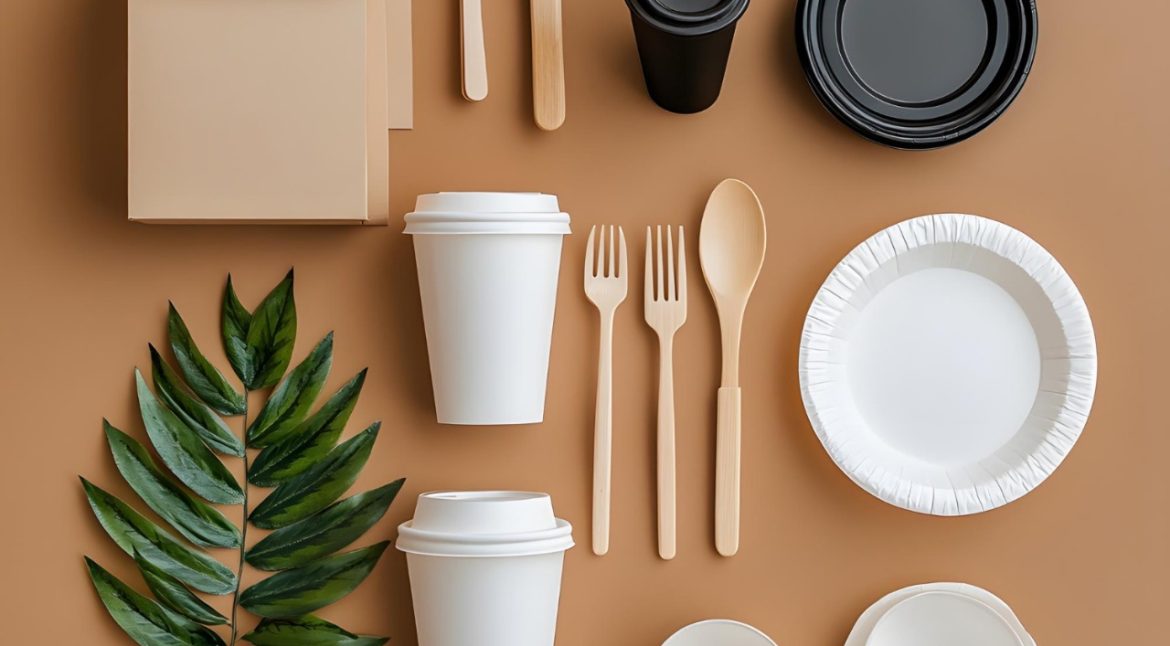
1. Compostable Tableware (Plates, Bowls, Trays)
Ideal for homes, parties, restaurants, catering, and food delivery.
Products include:
-
Bagasse plates and bowls
-
Palm leaf dinnerware
-
Wheat-straw trays
-
Compostable food platters
These options are sturdy, leak-proof, and microwave-friendly, offering performance equal to or better than plastic and foam.
2. Eco-Friendly Cups and Lids
Millions of cups are thrown away each day. Planet-friendly options help reduce this immense waste.
-
PLA compostable cold cups – clear and durable
-
Paper cups with plant-based lining – ideal for hot beverages
-
Bamboo fiber cups – biodegradable and chemical-free
-
Reusable single-use-style cups – used once or twice, then compostable
These cups look and function like regular cups but break down naturally after disposal.
3. Compostable Takeaway Containers
Perfect for restaurants, delivery services, cloud kitchens, and cafés.
-
Bagasse clamshell containers
-
Kraft paper food boxes
-
PLA-lined food tubs
-
Kraft noodle boxes
-
Compostable meal prep containers
They maintain food temperature, resist grease, and decompose quickly in the right conditions.
4. Planet-Friendly Straws
Plastic straws are among the top contributors to marine waste. Alternatives include:
-
Bamboo straws
-
Paper straws
-
Wheat straws
-
PLA compostable straws
Each option is biodegradable and safer for wildlife and ecosystems.
5. Eco-Friendly Cutlery
Replace single-use plastic spoons, forks, and knives with:
-
Bamboo cutlery
-
Wooden cutlery
-
Wheat-straw cutlery
-
Compostable bioplastic cutlery
These come in various sizes, suitable for meals, beverages, and desserts.
6. Biodegradable Bags & Packaging
An easy switch for both households and businesses.
-
Compostable garbage bags
-
Recycled paper bags
-
Kraft grocery bags
-
Biodegradable parcel mailers
They reduce reliance on petroleum-based plastics and support cleaner waste management.